Rose, Tulsi, and Remaining Open to Life
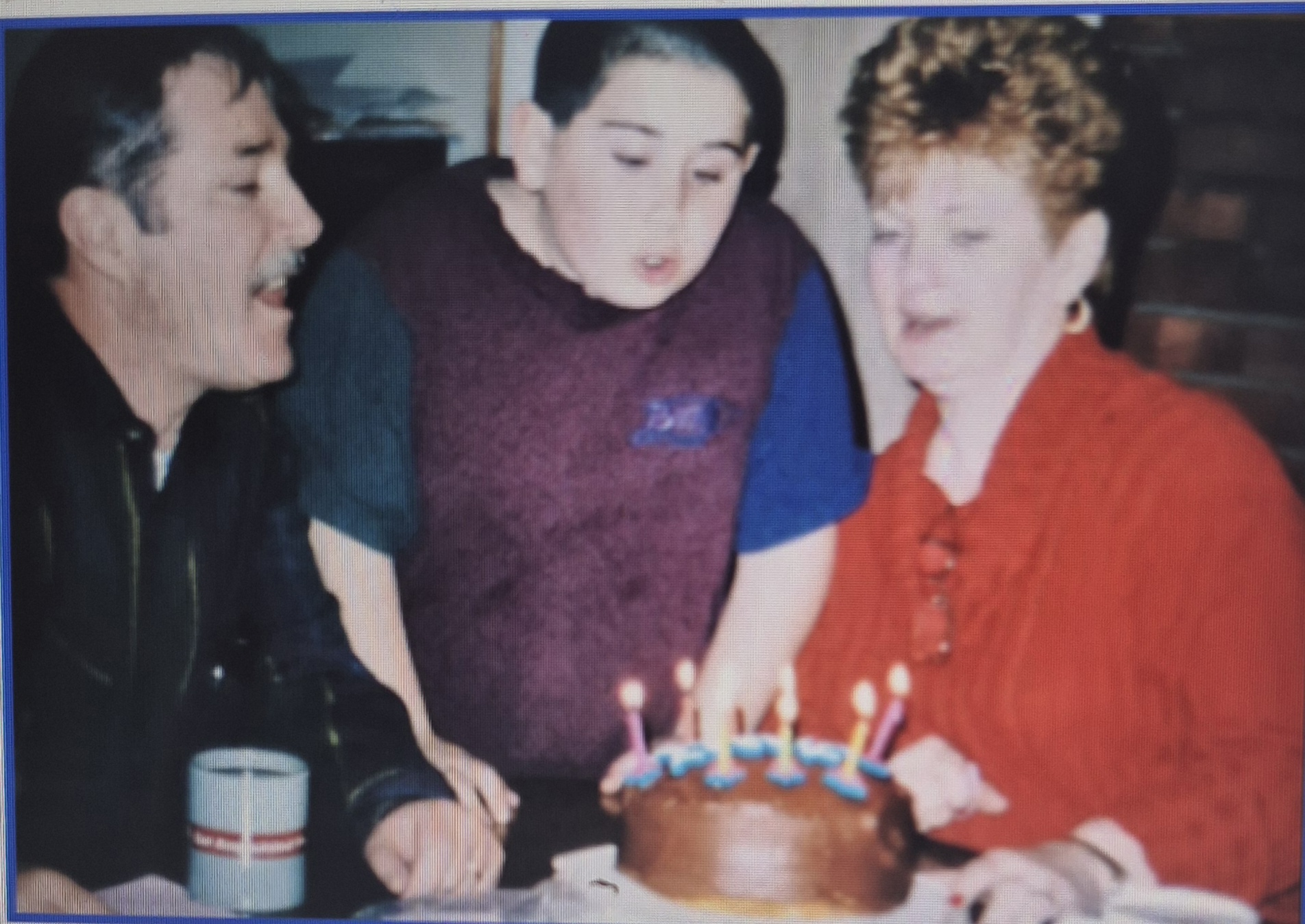
Writing this brought me back to my mom singing “I Never Promised You a Rose Garden.” I’d love to hear what you remember about her.
Please message me. I’d love to add some of your memories to this journal on my website.
The Rose Garden Has Room for Love and Grief
Rose, Tulsi, and Remaining Open to Life
Dear friends,
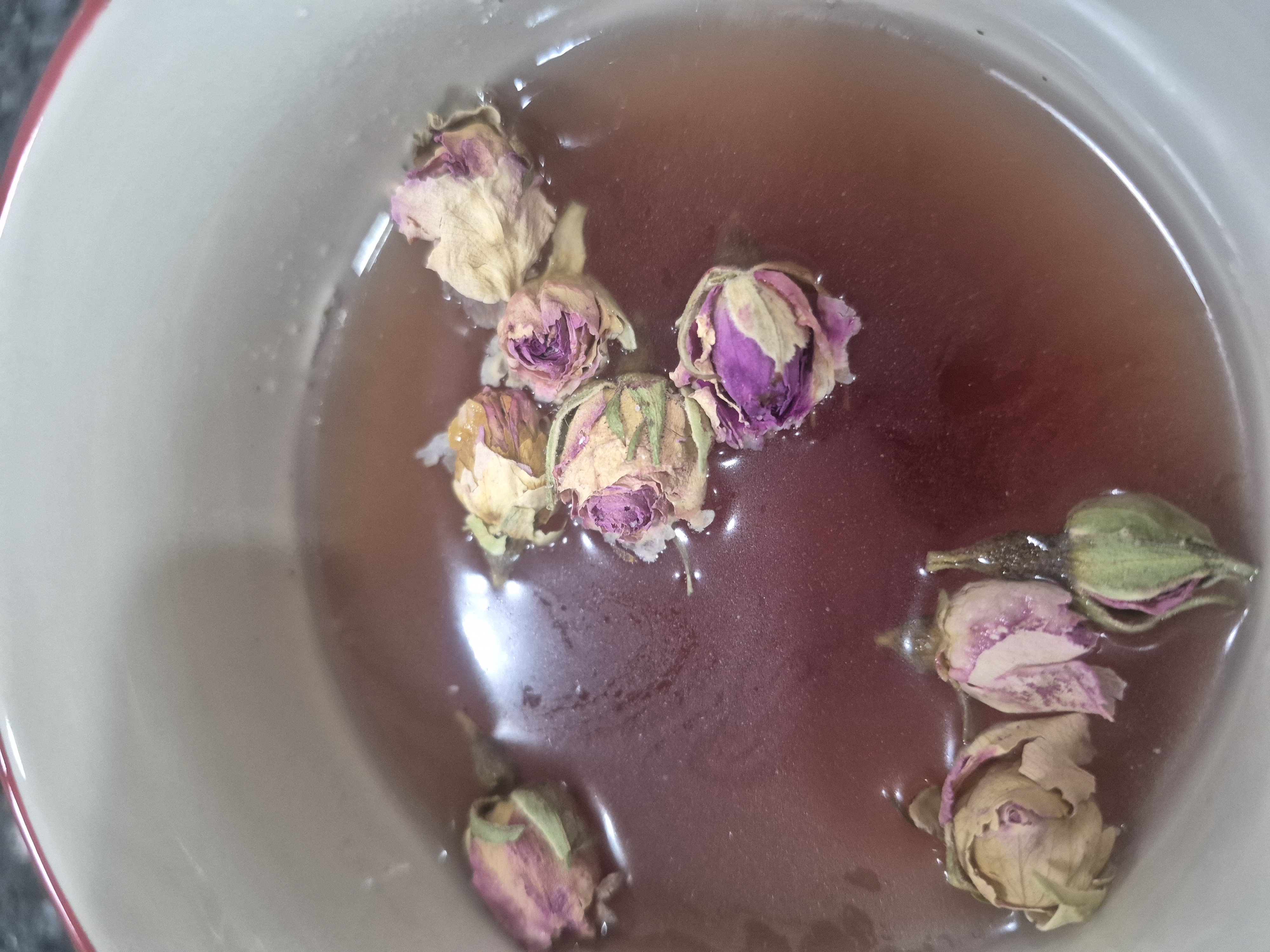
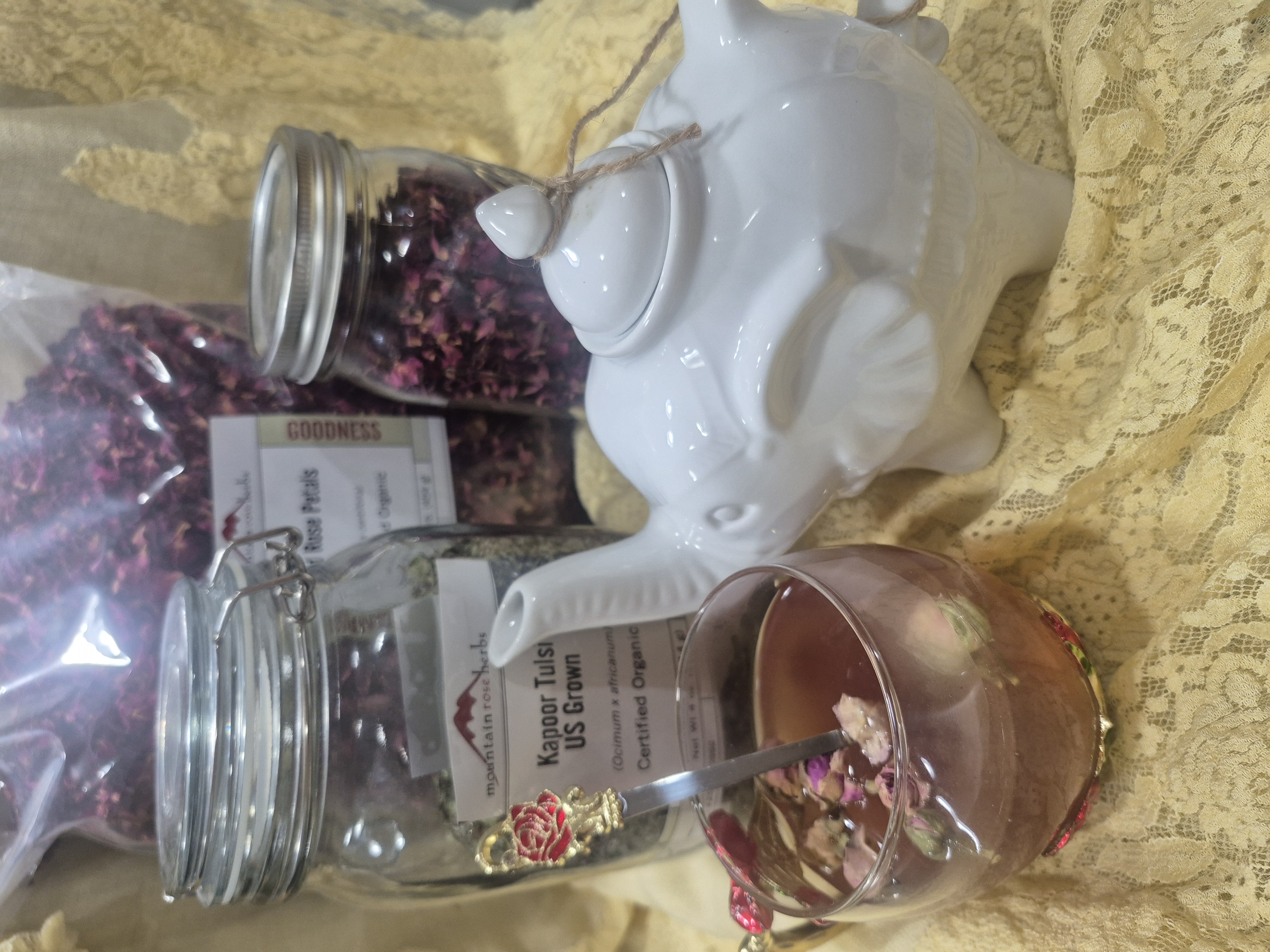
For those who joined me for Porch Time, thank you. And for those who couldn’t make it, I wanted to share a little more about the rose and tulsi tea I made for our conversation about grief, change, and how we remain open to our lives while carrying loss.
Just as I do not believe that time heals all wounds, I do not believe that rose and tulsi tea took away my pain. But they did help me a lot, along with pranayama (breathwork), meditation, and asana, the physical practice many people think of as yoga. Yoga includes all of these practices and much more.
What I share comes from what I have learned in class, in life, and research. These are practices I continue to return to.
My nephew jokes that every cabinet in my house has something rose in it. And yes, he is speaking the truth.
Rose is part of my mornings. I spray a little rose water in my eyes as a reminder to see with compassion.[7] I drink a little hot water with rose elixir and other herbs. I bake, bathe, and make drinks with rose. I use it in my diffuser, on my skin, and in marma and massage. The list goes on.
We give roses for romantic love. Why not for the love we offer ourselves?
Avena Botanicals writes about rose in connection with the emotional heart. Their Peaceful Heart Tea includes both rose and tulsi, along with other herbs, and they suggest enjoying it before or after meditation and movement.[1] That connection feels familiar to me. Tea and these practices have been part of how I care for myself through grief.
And yes, roses have thorns. I think about that too. Something can be soft, beautiful, and open and still have protection. Maybe there is something for us to learn in that.
My mother would sing, “I never promised you a rose garden,” many mornings.[6] Here I am, years later, thinking about those words while finding my dear friend Rose in nearly every cabinet of my house. I wonder what those words meant to her.
They mean something different to me now. As all of us, I have known love, and I have known the pain of losing people I love. I still want the rose garden. I still want to notice what is beautiful and let myself enjoy it, even with all that has happened.
The rose garden has room for love and grief.
Tulsi is the other herb in the tea I shared. Also called holy basil, it is aromatic, with sweet and spicy qualities. Avena Botanicals includes tulsi among the herbs it associates with meditation and spiritual practice.[2] Herbalist Sebastian Pole has spoken about drinking tulsi tea when he gets home from work, describing the comfort of a familiar cup in an unpredictable life.[3]
I appreciate that. There is something about having a practice to return to, especially when so much has changed.
I share Vishnu Dass’s teaching with respect and gratitude. In his writing on tulsi, he traces this sacred plant’s medicinal and spiritual uses back thousands of years to the ancient Vedic period. Tulsi is Sanskrit for “the incomparable one,” and the plant is worshiped throughout India. He describes the traditional Ayurvedic understanding that tulsi may help release deep-seated emotions, such as grief and sadness, associated with the pericardium and the lungs.[4]
Tulsi has also been studied in human clinical trials with specific tulsi extract focusing on stress, insomnia, memory, attention, immune markers and blood glucose. These are promising early findings, with more research needed.
Banyan Botanicals also brings rose and tulsi together in its Joyful Heart Tea. The blend combines the traditional CCF ingredients—cumin, coriander, and fennel—with rose flower (Rosa centifolia), Kapoor tulsi aerials (Ocimum x africanum), hibiscus calyx, spearmint, orange peel, and chamomile. Banyan describes it as a floral, caffeine-free tea intended to lift the spirits and encourage a sense of peace and that is exactly what it did for me. [8]
An article by the Herbal Academy, published by Mountain Rose Herbs, also explores connection through preparing tea, noticing its flavors, and sharing herbs with others.[5]
This is part of why I make rose and tulsi tea and gift it to dear friends. I want to share something that has helped me.
The rose and tulsi I used for Porch Time are both from Mountain Rose Herbs.
I will be sending rose and tulsi tea to each person who joined me for Porch Time, so next time we gather, we can enjoy a cup together, and I’ll send it to anyone who signs up for November’s group also.
How do we carry our grief and still remain open to our lives?
I am continuing to learn with continuing education and with the practices I mentioned. These practices have helped me so much along the way. And now, as I write this, Rose brings me back to my mother singing, and I am reminded of a quote from my Grief Education teacher, David Kessler. Pain is inevitable, but suffering is not. We never, never forget, but through connections we heal.
There will be gatherings like this each month at Porch Time with PJ. You are welcome to share, or simply listen. And if you couldn’t be with us this time, I hope this gives you a little of what we shared.
Books and herbs can be found on the resource page.
Keep Life Yummy,
PJ
Listen to “Rose Garden” by Lynn Anderson on Spotify
References
Avena Botanicals. (n.d.). Peaceful Heart Tea. Product description and plant profiles.
Avena Botanicals. (n.d.). Holy Basil Tincture. Product description and traditional-use notes.
Hip & Healthy. (2012, March 22). A day in the life of Sebastian Pole: Pukka Herbs co-founder. Interview with Sebastian Pole.
Dass, Vishnu, Ayurvedic Herbology East & West passage on tulsi paraphrased here.
The Herbal Academy. (2025, January 31). Building connection through herbalism + herbal ceremony tea recipe. Mountain Rose Herbs.
South, J. (1967). Rose Garden . Popularized by Lynn Anderson
Safety Notes:
Eye safety note: This describes PJ’s personal practice. Ordinary culinary or cosmetic rose water should not be put in the eyes. Products used in the eyes must be sterile and specifically intended for ophthalmic use. U.S. Food and Drug Administration. (n.d.). What you should know about eye drops.
Banyan Botanicals. (n.d.). Joyful Heart Tea. Ingredients and manufacturer’s description. Accessed October 7, 2026. The product label advises against use during pregnancy and recommends consulting a health care practitioner before use if nursing, taking medication, or living with a medical condition.
Studies mentioned
Lopresti, A. L., Smith, S. J., Metse, A. P., & Drummond, P. D. (2022). A randomized, double-blind, placebo-controlled trial investigating the effects of an Ocimum tenuiflorum (Holy Basil) extract (Holixer™) on stress, mood, and sleep in adults experiencing stress. Frontiers in Nutrition. Eight-week trial; 100 participants. Funded by Natural Remedies Pty Ltd.
Holy basil (Ocimum sanctum Linn.) leaf extract enhances specific cognitive parameters in healthy adult volunteers: A placebo controlled study. (2015). Indian Journal of Physiology and Pharmacology. Thirty-day trial; 44 healthy young men enrolled.
Mondal, S., et al. (2011). Double-blinded randomized controlled trial for immunomodulatory effects of Tulsi (Ocimum sanctum Linn.) leaf extract on healthy volunteers. Journal of Ethnopharmacology, 136(3), 452–456.
Twenty-four participants enrolled; 22 completed the study.
Agrawal, P., Rai, V., & Singh, R. B. (1996). Randomized placebo-controlled, single blind trial of holy basil leaves in patients with noninsulin-dependent diabetes mellitus. International Journal of Clinical Pharmacology and Therapeutics, 34(9), 406–409.
The herbal references support the attributed traditional perspectives and descriptions; PJ’s account of what helped her through grief is her personal experience.
The clinical studies cited here do not test the rose-and-tulsi tea. Shared at Porch Time or Banyan’s Joyful Heart blend.